
We’re talking about a massive update to the HUD-VASH program. If you aren't familiar with the acronym, HUD-VASH is a collaborative effort between the Department of Housing and Urban Development (HUD) and the Department of Veterans Affairs (VA). It combines HUD housing vouchers with VA supportive services to help veterans experiencing homelessness get back on their feet.
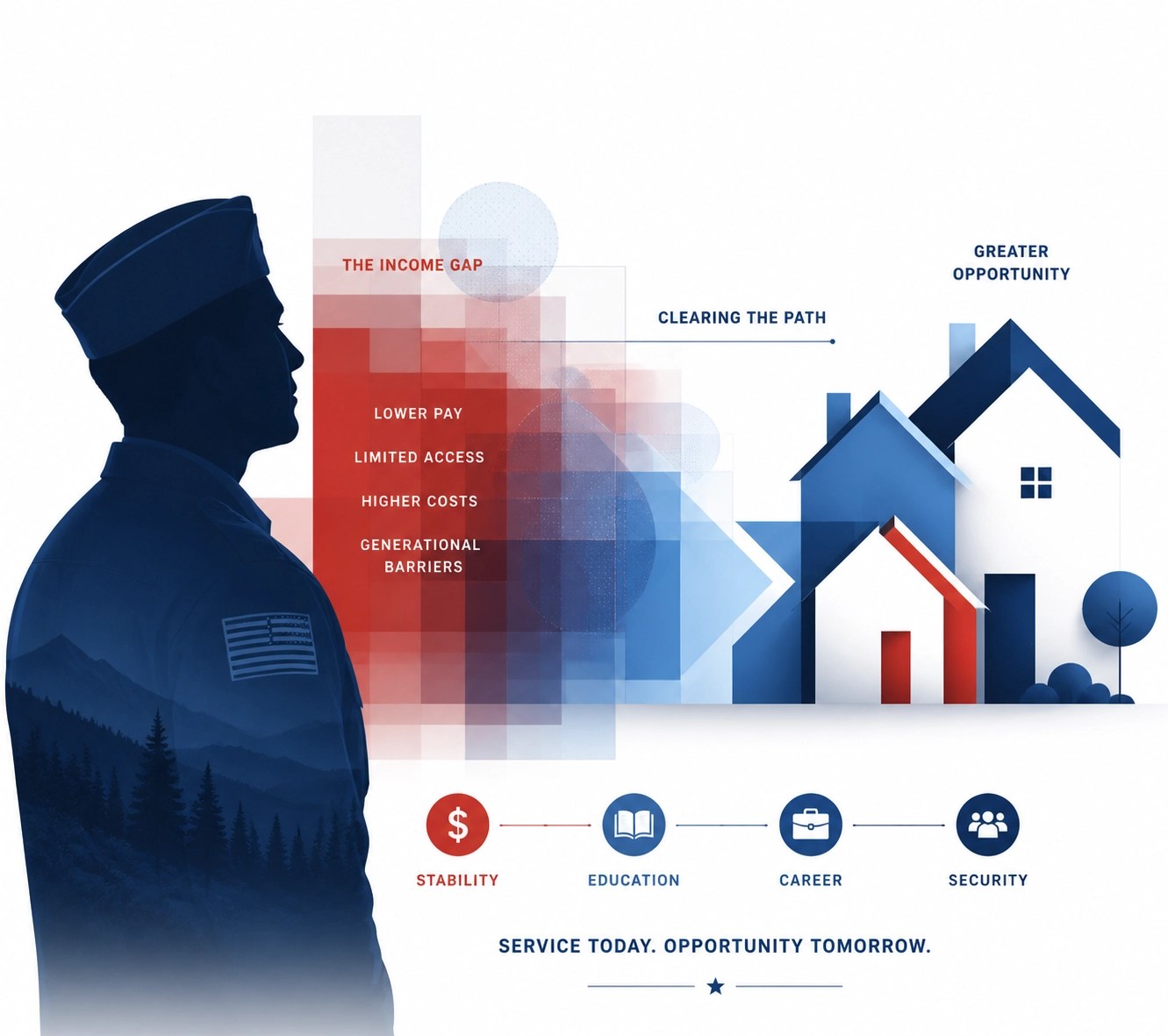
For a long time, there was a major "glitch" in the system, an income gap that left some of our most vulnerable heroes out in the cold. But as of recently, that gap is finally being closed. Let’s dive into what’s changing and why it matters so much.
The "Catch-22" of Disability Benefits
Imagine serving your country, returning home with a service-connected disability, and finally receiving the compensation you deserve for those injuries. Now, imagine that because you received those benefits, the government told you that you "made too much money" to qualify for housing assistance, even though you were literally homeless.
It sounds crazy, right? But for years, that was the reality.
Previously, VA service-connected disability benefits were counted as "income" when determining if a veteran was eligible for HUD-VASH vouchers. Because these benefits are designed to support veterans with significant injuries, the monthly payments could often push a veteran just over the income limit. They were stuck in a "Catch-22": they were disabled and needed help, but the very help they received for their disability disqualified them from having a roof over their heads.
The Big Fix: Excluding Disability Pay
The most exciting part of this recent news is that HUD has officially changed its policy. Service-connected disability benefits are now EXCLUDED from income calculations for HUD-VASH.
This is a massive win. It recognizes that disability compensation isn’t "extra" income; it’s a tangible act of gratitude for a sacrifice made. By removing this from the math, thousands of veterans who were previously disqualified can now access the housing vouchers they need. It’s a common-sense fix that is going to save lives and keep families together.
Raising the Eligibility Bar: 50% to 80%
But that’s not all. HUD didn't just stop at changing what counts as income; they also changed how much income you can have.
Previously, the initial income eligibility threshold for the program was set at 50% of the Area Median Income (AMI). In many parts of the country, especially where the cost of living is skyrocketing, 50% of the AMI is a very low bar. Many veterans working part-time jobs or receiving small pensions still found themselves slightly above that line.
HUD has now raised that threshold to 80% of the Area Median Income.
By moving the needle from 50% to 80%, the program is opening its doors to a much wider group of veterans. It ensures that those who are working hard to transition back to civilian life aren't penalized for earning a modest living while they search for stable housing.
Making it Permanent: The HUDVA Act
While these policy changes are currently in effect, there is a push to make sure they stay for good. You might hear people talking about the Housing Unhoused Disabled Veterans Act (HUDVA).
The goal of this legislation is to "codify" these changes. In plain English, that just means turning these policy updates into permanent law. This ensures that no matter who is in office or how the political winds blow, disabled veterans will never again be penalized for their service-connected benefits when seeking a place to live. It’s about creating a foundation of security that veterans can rely on for years to come.
Looking Ahead: The BRAVE Program
As we look toward 2026, there’s even more on the horizon. There is a proposal currently gaining traction called the BRAVE (Bridging Rental Assistance for Veteran Empowerment) program.
While HUD-VASH is incredible, the BRAVE program seeks to expand rental assistance even further, potentially reaching veterans who might not require the full "supportive services" (like case management) that come with HUD-VASH but still need help covering the rent. It’s all part of a larger movement to ensure that "homeless veteran" becomes a phrase of the past.

Transitioning from Vouchers to Homeownership
At Operation T.A.G., we love seeing these hurdles removed because we know that housing is the first step toward a stable, happy life. But we also know that for many veterans, the ultimate dream isn’t just a voucher, it’s owning a piece of the American Dream they fought to protect.
That’s where our Hometown Hero Credit comes in.
If you (or a veteran you know) are moving past the need for rental assistance and are looking to buy or refinance a home, we want to help. Hometown Hero Credit is a non-profit program designed to give back to those who give so much.
What is the Hometown Hero Credit?
It is a 2% credit (up to $21,000) calculated on your loan amount. Because we are a non-profit project, this isn’t a "catch" or a high-interest loan, it’s a gift of gratitude.
How can you use the credit?
We know that the "extra" costs of buying a home are often what stop veterans from pulling the trigger. You can use this 2% credit to:
- Pay closing fees: Keep more cash in your pocket on moving day.
- Buy down your interest rate: Lower your monthly payments for the life of the loan.
- Pay real estate agent fees: Take the pressure off your negotiations.
- Pay down debt: If your debt-to-income ratio is a little high for VA loan qualification, this credit can sometimes be used to pay off a credit card or car loan to help you get that "Approved" status.
A quick note on how it works: Since most VA loans don't require a down payment, this credit cannot be used for a down payment or for non-loan-related purposes. Also, remember the 2% is based on your loan amount, not the sales price of the home.
Whether you are just getting into a HUD-VASH apartment or you’re ready to sign the papers on your first house, know that there is a community here to support you.

Wrapping It Up
The expansion of HUD-VASH and the "Income Gap Fix" are huge steps forward. By excluding disability benefits and raising the income limits to 80% AMI, we are finally treating veteran benefits as the honors they are, rather than obstacles to overcome.
If you’re a veteran and you’ve been told "no" in the past, it’s time to ask again. The rules have changed in your favor, and you deserve a safe place to lay your head.
Stay safe, stay hopeful, and thank you for your service.
Brett Stacy
National Director & Founder of the Hometown Hero Credit, a program of Operation T.A.G. (Tangible Act of Gratitude), and 501(c)(3) non-profit project of HDCF.
Websites: www.OperationTAG.org and www.HometownHeroCredit.com
Phone: 760-456-8748 (24-hour Information Line)

Leave a Reply