This Sunday’s letter comes with a memory from my childhood, a lesson from Isaiah, and a respectful remembrance.
This past Friday, 9/11, marked 25 years since the attacks of September 11, 2001. As I write this, the anniversary is still fresh. Many of us remember where we were when we heard the news. We remember the shock, the fear, and the heartbreaking stories that followed.
We also remember the courage.
First responders ran toward danger. Military members answered the call to serve. Families showed extraordinary strength. Neighbors helped neighbors. Ordinary people chose compassion in the middle of unimaginable loss.
Twenty-five years later, many are still carrying the weight of that day. We remember those who died, those who served, those who responded, and the families and communities that continue to grieve.
The grief is real. The ashes are real. Yet Isaiah 61 reminds us that God is not finished with the broken places.
A Saturday afternoon with baseball cards
During my third- and fourth-grade years, my closest companions were Kirk and Mark. They lived right next door, and we spent a great deal of time together.
Kirk was a year older than me and had a deep passion for baseball. He often played street games with the older kids from our block. Mark and I were usually left out.
Eventually, we complained to our parents. That led to a neighborhood decision: the older kids had to include us in their games.
I never really enjoyed playing baseball. In fact, I still remain fairly clueless about the game. But I do remember Kirk’s backyard.
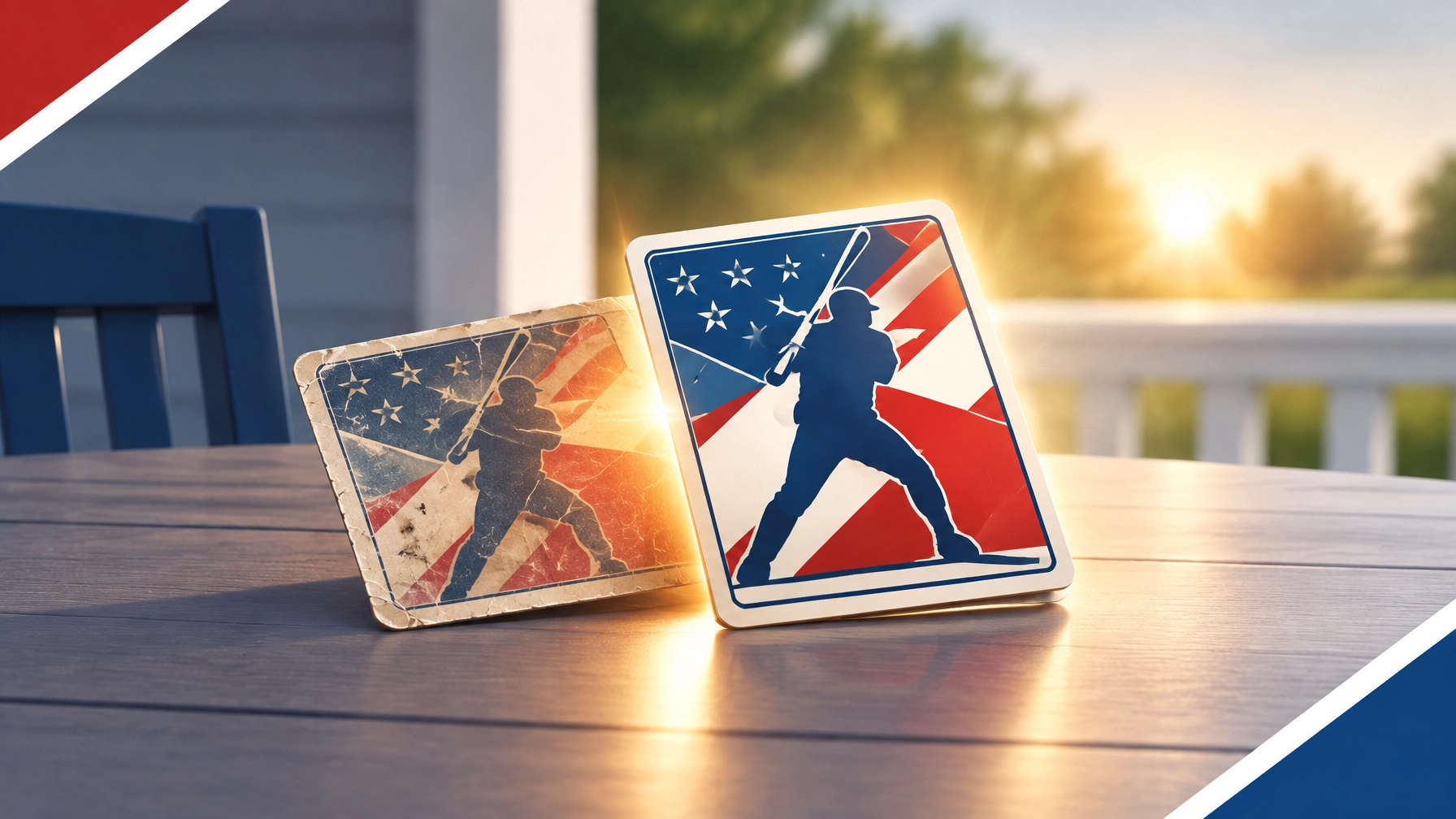
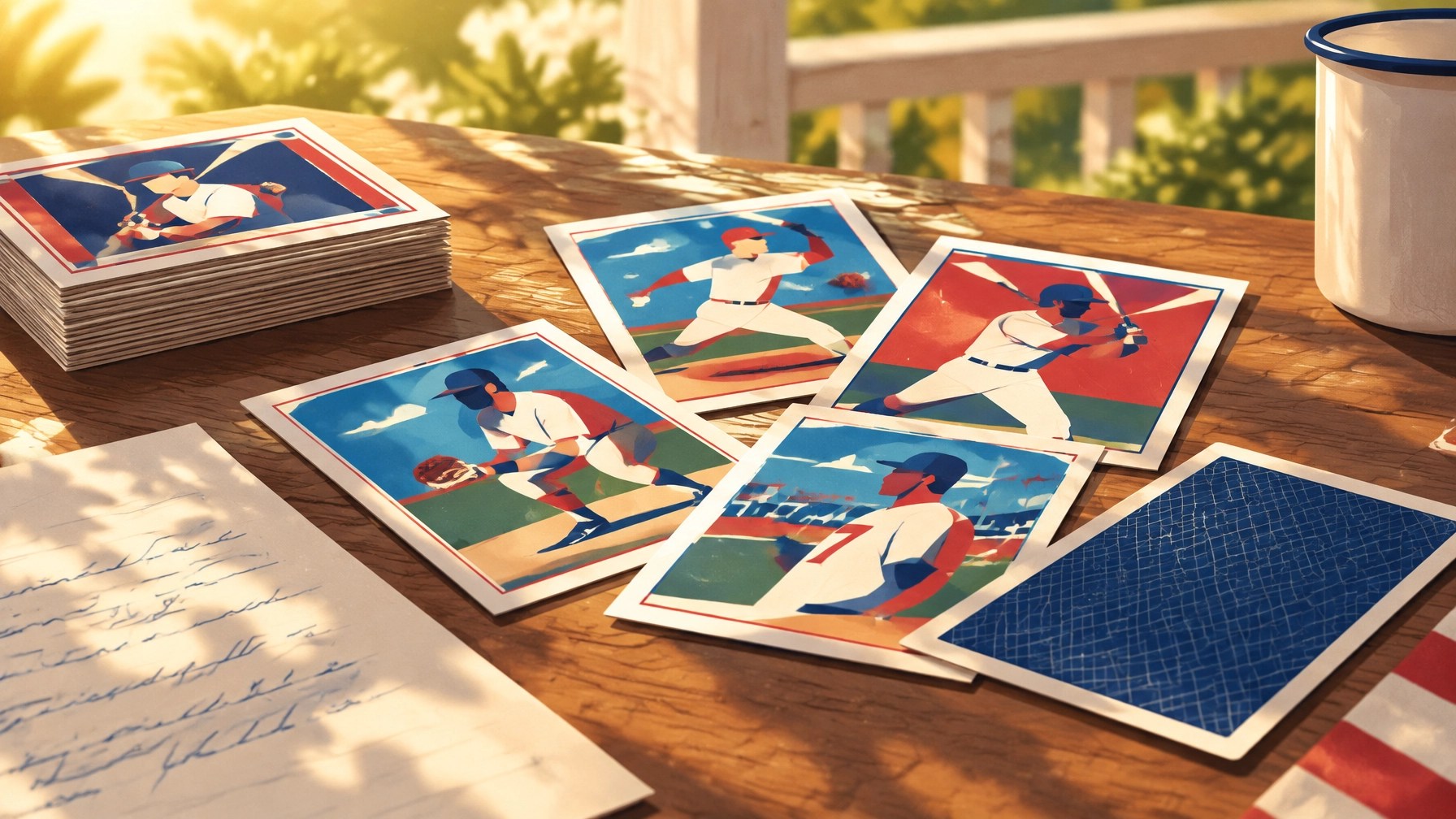
On Saturdays, the covered patio became a gathering place for the older kids. They would sit together for hours, trading baseball cards and discussing the value of each one.
One day, I asked to join them.
I gathered my own collection of cards and walked over to the patio. It took some courage to approach the older kids, but they surprisingly welcomed me. They eagerly told me to lay out my cards so everyone could see them.
At first, I thought they were simply being friendly.
Then the trading began.
The moment they saw my cards, the older boys became very interested. They started making offers and suggesting trades. I was confused. I did not know which cards were valuable or which cards were nearly worthless.
So I asked Kirk for help before making each trade.
Unfortunately, that did not save me.
By the time we were ready to leave the patio and play baseball, all my prized cards had been traded away. In their place were cards that had little or no value.
The older boys laughed.
I felt embarrassed. I felt disappointed. Most of all, I felt taken advantage of.
I had brought something valuable to the table. I did not understand what I had. Someone else did: and they used my lack of understanding against me.
What are we holding on to?
Looking back, I can see why that memory stayed with me.
Most of us have things we carry that look valuable to us but are not helping us live the life God intended. We may carry guilt, fear, resentment, shame, pride, anger, or regret.
Sometimes we hold on to these things because they are familiar. Sometimes we believe we can manage them ourselves. Sometimes we do not realize how much they are costing us.
We bring our cards to the table and say, “This is what I have.”
But Jesus sees the full value of what we are carrying: and what He offers in return is far greater.
Isaiah 61:1–3 describes the work of God’s Anointed One. The passage speaks of good news for the poor, healing for the brokenhearted, liberty for captives, comfort for those who mourn, and beauty in place of ashes. You can read the passage in full through the English Standard Version text of Isaiah 61.
When we have a personal encounter with Jesus, we can lay out all our “worthless cards” before Him.
He does not laugh at us.
He does not shame us for bringing them.
He does not take advantage of our confusion.
Instead, He offers us a trade we could never make on our own.
The trade Jesus offers
Jesus trades our sin for righteousness.
He trades our captivity for freedom.
He trades our blindness for sight.
He trades our oppression for joy.
He trades our ashes for a crown of beauty.
He trades our mourning for gladness.
He trades our garment of despair for a garment of praise.
This does not mean that God pretends the pain never happened. It does not mean grief disappears instantly or that difficult memories lose their seriousness.
The promise is deeper than erasing the past.
God redeems it.
He meets us in the ashes and begins the work of restoration. He meets us in mourning and gives us comfort. He meets us in despair and teaches us to praise again.
Remembering September 11
That promise matters as we remember September 11.
We should never use the anniversary as a slogan or as a way to avoid the pain. We remember with reverence because real people were lost, real families were changed, and real communities still carry sorrow.
But we can also recognize the evidence of courage and service that appeared in the middle of tragedy.
We saw people run toward danger to save others. We saw strangers care for one another. We saw families endure uncertainty. We saw service members and military families accept sacrifices that many of us will never fully understand.
There was great brokenness. There was also great courage.
Isaiah’s promise of beauty for ashes does not call us to forget. It calls us to trust that God can bring healing, purpose, compassion, and hope from places marked by loss.

For veterans, first responders, military families, survivors, and everyone still carrying the weight of that day, may the Lord provide comfort and strength.
May we remember with humility.
May we reject hatred and choose compassion.
May we honor sacrifice by serving others well.
May we continue the work of rebuilding what can be rebuilt: homes, communities, relationships, and lives.
A trade better than any championship
Winning the World Series represents the highest achievement in baseball. It brings celebration, recognition, and a trophy.
But trophies eventually gather dust.
Championships are remembered, but they do not transform the heart.
The trade I made with Jesus is different.
He took what I could not fix and gave me what I could never earn. He took my sin and offered righteousness. He took my captivity and offered freedom. He took my despair and offered praise.
That trade is better than winning the World Series.
It is better than receiving recognition.
It is better than holding the most valuable card in a childhood collection.

I still do not know much about baseball. I may never understand all the rules, statistics, or strategy.
But I know the value of the trade I made with Jesus.
And I know this trade is not limited to people who have everything figured out. It is available to the confused, the ashamed, the grieving, the discouraged, and the searching.
You do not have to clean up every card before bringing them to Him.
You can come as you are.
You can place the whole collection on the table: your sin, your fear, your regret, your grief, and your questions.
Jesus already knows what you are holding.
He also knows what He is offering.
Today, the good news is, the trade is available to you too.
With gratitude,
Brett Stacy
National Director & Founder of the Hometown Hero Credit, a program of Operation T.A.G. (Tangible Act of Gratitude), and 501(c)(3) non-profit project of HDCF
Websites: www.OperationTAG.org and www.HometownHeroCredit.com
Phone: 760-456-8748 (24-hour Information Line)

Separate educational homeownership resource
For military families who would like a free educational resource, scan the Mission Homeownership QR code to access the PDF e-book. This resource is separate from today’s devotional reflection.

Leave a Reply